
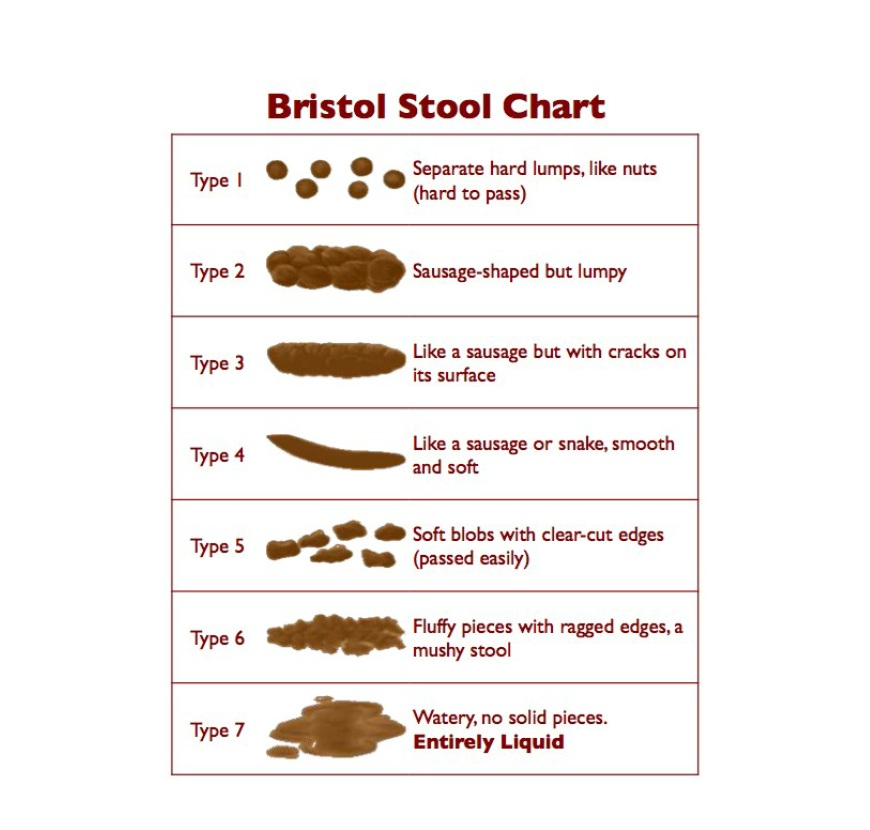
To see how you are doing, look at your stool and compare it to the chart below.
We want your stool to look like type 3 or type 4, because these are the healthiest.
Dietary changes
If you notice some foods make it harder for you to go to the toilet, or make your stools very hard, try writing them down. Then you can talk about them with your doctor or dietitian. This can help you see which foods make you feel better and which ones make things worse.
Eating Tips:
1. Eat regular meals: Try to eat meals at the same times each day and do not skip meals. This helps your tummy get into a routine and can make it easier to go to the toilet. When you skip meals, your digestion can slow down, which may make constipation worse. Eating regularly tells your body when it’s time to move food along, which can help you go to the toilet more easily.
2. Eat slowly: Take your time when you eat. Take small bites and chew your food well. Eating too fast can make you swallow air and feel bloated. Eating slowly also helps your body know when you are full.
3. Eat fibre: fibre helps your bowels work better and can make it easier to open your bowels. There are different types of fibre. Some types help food move through your gut and keep your stools soft. Insoluble fibre is especially important for constipation. It helps food move through your gut and can make your stools softer and easier to pass. You can find it in whole grains (like wholemeal bread and brown rice), fruit and vegetable skins, seeds and pulses. Other good sources of this type of dietary fibre include:
|
Breakfast Cereals |
All bran, shredded wheat, bran flakes, Weetabix, muesli, fruit and fibre, special K, porridge, Ready Brek. |
|
Bread and Crackers |
Brown bread, granary bread, Ryvita, wholemeal crackers and wholemeal pitta. |
|
Pasta and Rice |
Wholewheat and/or brown pasta, pearl barley. |
|
Nuts |
Almonds, coconut, hazelnuts, peanuts, Brazil nuts, walnuts |
Soluble fibre is also helpful. It mixes with water and forms a soft, gel-like substance, which can help keep your stools soft. It is found in foods like oats, fruits (without skins), vegetables and pulses. Other good sources of this type of dietary fibre include:
|
Fruits / Fruit Juices: |
Apples (all varieties - without skins). Pears (without skins). Bananas (ripe). Stone fruits (e.g., plums, peaches and nectarines – without skins). Most tinned fruit (except citrus fruits), melon, strained fruit juices, tomato juice. |
|
Vegetables: |
Carrots, parsnips, turnips, swede, baby peas and split peas, beans, lentils, root vegetables, avocado, potatoes (without skins) chickpeas, beetroot, broccoli (cooked), cauliflower (cooked), tinned tomatoes (no seeds or skins). |
|
Breads and cereals: |
Oats, porridge, Ready Brek, wholemeal bread, white bread, white rice, white pasta. |
|
Pulses |
Beans, peas, lentils |
|
Additional |
Tahini (sesame seed paste), hummus (chickpeas). |
Try to eat a mix of both types of fibre and increase the amount slowly to help your body get used to it. Drinking plenty of water also helps fibre work properly.
If you eat too much fibre too quickly, you may get gas, tummy pain, or feel bloated. Keeping track of your symptoms can help you find what works best for you.
4. New research shows that some foods may help you go to the toilet more easily.
Try having 1–2 servings each day if they suit you:
- Kiwi fruit: 1–2 each day
- Rye bread: 1–2 slices each day
- Other fruits: a small portion once or twice a day (for example, prunes)
Examples of helpful fruits include:
- Apricots, peaches, plums, nectarines
- Apples, pears, grapes, cherries
- Blackberries
- Dried fruits like prunes, raisins, dates, and currants
Some of these fruits contain a natural sugar that helps bring water into your bowel, which can make your stools softer.
Everyone is different, so start with small amounts and see how your body responds.
5. Try adding linseeds (also known as flaxseeds) to your diet. Linseeds are tiny seeds that are high in fibre. They can help make your stools softer and easier to pass.
How to take linseeds:
- Start with a small amount, like 1 teaspoon a day
- Slowly increase up to 2 tablespoons a day
- Add them to foods like cereal, yoghurt, salads, or soup
- Drink a small glass of water when you have them
This helps them work properly and stops your stools from becoming too hard.
It can take about three months of eating linseeds regularly before you notice any changes in your symptoms.
6. Try to drink plenty of fluids during the day, especially water. Aim for about six to eight glasses each day. This helps keep your poo soft and easier to pass.
If you eat more fibre, you may need to drink more water. Fibre needs water to work properly.
Some mineral waters (with magnesium) may also help you go to the toilet more easily. Examples of high mineral water include:
- OHMG
- BetterYou
- Donat
TIP: Warm drinks, like tea or warm water, can help your bowels get moving, especially in the morning.
7. Try to eat less processed foods, as they often don’t give your tummy the fibre it needs. Eating too many low-fibre foods can make constipation worse. These foods include:
- Snacks: crisps, sweets, chocolate, cakes and biscuits
- Meals: fast food, ready meals and instant noodles
- Other: sugary cereals, processed meats
Try to make changes one at a time so you can see what help
See the links below for further information:
IBS is not caused by stress, but stress can make symptoms feel worse.
Your brain and your gut are connected. This means when you feel worried, upset, or stressed, your tummy can react too. Many people notice their IBS gets worse during stressful times.
Ways to help your body stay calm:
Calm Breathing and Relaxation
Try taking slow, deep breaths and sitting quietly for a few minutes each day.
You can also use a relaxation or mindfulness app to help you feel calmer.
Mindfulness
Mindfulness means paying attention to your breathing and what is happening in your body. Practising this can help your tummy feel better over time.
Gentle Exercise
Gentle activities like yoga or tai chi use slow movements and calm breathing. Some people with IBS find these helpful.
Sleep and Rest
Getting enough sleep is important. When you are tired, your body can feel pain more easily and stress can feel worse.
Fun and Hobbies
Doing things you enjoy, like hobbies, seeing friends, or relaxing, can help your body feel calmer. This is an important part of looking after your health.
If You Feel Anxious
If you often feel worried, it can help to talk to someone. Some people find talking therapies like CBT helpful. There are also apps that can help with managing worried thoughts.
Useful websites and apps
- NHS East Cheshire Talking Therapies - The Big Life Group
- Stress - Every Mind Matters - NHS
- Calm: Sleep & Meditation (requires paid subscription for full access)
- Smiling Mind (free app)
- NERVA: Gut-brain therapy (requires paid subscription for full access)
Bowel Habits
You can help your tummy learn a regular routine for going to the toilet.
- Try to go to the toilet after meals (especially after breakfast)
- Don’t ignore the feeling that you need to defecate
- Take your time and don’t rush
- Try not to push too hard or strain
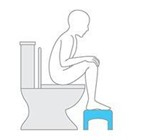
TIP: Put your feet on a small stool so your knees are higher than your hips. This can make it easier to open your bowels.
Pelvic Floor Exercises
Your pelvic floor muscles help you control when you go to the toilet. If these muscles are strong and relaxed, it can make defecating easier. 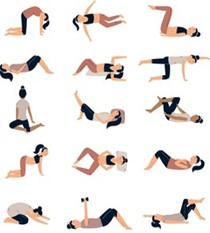
Some people who find it hard to go to the toilet regularly have muscles in this area that feel too tight. When this happens, it can make it harder to pass stools, even if you feel like you need to go.
A specialist can help you learn how to relax these muscles. They can show you simple exercises and ways to make going to the toilet feel easier and more comfortable.
EMBEDDED
NHS Video: https://youtu.be/6Z5DZe1eH2Q
How to do the exercises
- Start by sitting or lying down somewhere comfortable.
- Tighten the muscles around your bottom, like you are trying to stop passing wind. Then squeeze the muscles inside your vagina. Try not to use your muscles in your tummy, legs or bottom.
- Keep breathing normally. Don’t hold your breath.
There are two types of squeezes to try:
Long squeezes
Squeeze and hold the muscles for as long as you can, up to 10 seconds. Then relax for five seconds. Try to do this 10 times.
Short squeezes
Quickly squeeze the muscles for one second, then relax. Try to do this 10 times.
Try to do 10 long squeezes and 10 short squeezes, three times a day.
⚠️ See your GP if you:
- You have to push or strain a lot when you try to defecate.
- You often feel like your bowel is not fully empty after going to the toilet.
- You have tummy pain that does not go away or keeps coming back.
- You are not sure if you are doing the exercises correctly. Your GP can refer you to a specialist who can help you learn the right way.
They can check what is going on and help you find the best way to make things easier.
What is it for?
Abdominal massage (a gentle tummy rub) can be used to help your body work better. It can help your tummy feel good and stay healthy. It can:
- Help your tummy muscles relax, which can make it easier to go to the toilet
- Help stools move through your body faster
- Reduce tummy pain, wind, and bloating
- Help with period pain and cramps
Is this safe for me to do?
Abdominal massage is usually safe for most people if it is done gently.
It’s best not to eat a big or spicy meal for a few hours before or after a tummy massage.
Do not do it if you have:
- A cut or wound on your tummy that is less than six weeks old
- A serious back or spine injury
- You are pregnant
How to do a tummy massage by yourself
- Lie on your back. You might feel comfier if you put a pillow under your knees.
- Put your hands on your lower tummy and rest them there. Take slow, calm breaths for a few minutes.
- You can use a little bit of massage oil. Rub your hands together for about 30 seconds to warm them up.
- There are four main types of movements you can use:
- Stroking: gentle, smooth movements
- Effleurage (say: ef-loo-raj): light, sweeping strokes.
- Kneading: gently squeezing and lifting the tummy
- Vibration: small, gentle shaking movement
|
Step 1: Stroking
|
Step 2: Stroking
|
||
|
Step 3: Effleurage
|
Step 4: Kneading
|
||
|
Step 5: Effleurage Do the same moves from step 3 for 2 minutes.
|
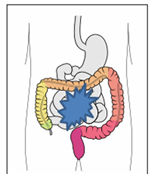
Step 6: Vibrations
 |
||


Physical activity
- All adults should try to stay active because it helps both the body and mind feel better.
- For people with IBS, being active can help in a few ways. It can lower stress, which often makes IBS symptoms worse. It can also help your tummy and bowels work more regularly.
How much physical activity should I do?
- Adults should try to do 150 minutes of moderate activity each week. This is about 30 minutes a day, on 5 days a week.
- Another option is to do 75 minutes of harder (vigorous) activity each week, which gives the same health benefits.
- Being active means moving your body every day, like walking, playing, cycling or doing other activities you enjoy. It does not have to be hard exercise. Here are some examples of activities you could try:
|
Type of Activity |
How it Feels |
Examples |
Additional Notes |
|
Moderate Intensity |
You can talk, but not sing |
|
Aim for at least 150 minutes per week. Good for overall health and beginners. |
|
Vigorous Intensity |
You can only say a few words before pausing for breath. |
|
Aim for at least 75 minutes per week. Provides greater cardiovascular benefits in less time. |
|
Strength (Muscle-Strengthening) |
Muscles feel challenged or fatigued. |
|
Do at least 2 days per week. Helps build muscle, improve metabolism, and support joint health. |
Yoga
Yoga can help your body feel stronger and your mind feel calmer. Yoga is a type of gentle exercise where you move and stretch your body in different positions and focus on slow breathing. Some people with IBS find that doing yoga can help their tummy symptoms, like pain or bloating and help them feel more relaxed.
EMBEDDED
Sleep hygiene
People with IBS often do not sleep well because of tummy pain or heartburn. Poor sleep can make your tummy feel more sensitive the next day. This means your IBS symptoms may feel worse. Looking after your sleep can help you feel better overall.
If constipation or tummy pain wakes you up at night, speak to your GP. If your symptoms wake you often, keeping a simple diary of your sleep and symptoms can help you notice patterns.
How much sleep do adults need?
Most adults need around 7 to 9 hours of sleep each night.
How to sleep better
Try these tips to help improve your sleep:
- Go to bed and wake up at the same time every day.
- Try to relax before bed, such as reading or listening to calm music.
- Avoid screens (like phones, tablets, or TVs) before bedtime.
- Avoid big or heavy meals late at night.
- Try not to have caffeine in the evening (like tea, coffee, or cola)
- Keep your bedroom cool, dark, and quiet.
If you wake up and cannot get back to sleep, try getting up for a short time and doing something relaxing until you feel sleepy again.
Here are some useful resources on sleeping better.
Fall asleep faster and sleep better - Every Mind Matters - NHS
Fall asleep faster and sleep better - Every Mind Matters - NHS - video
Found a problem? Report it and help us to improve our website